
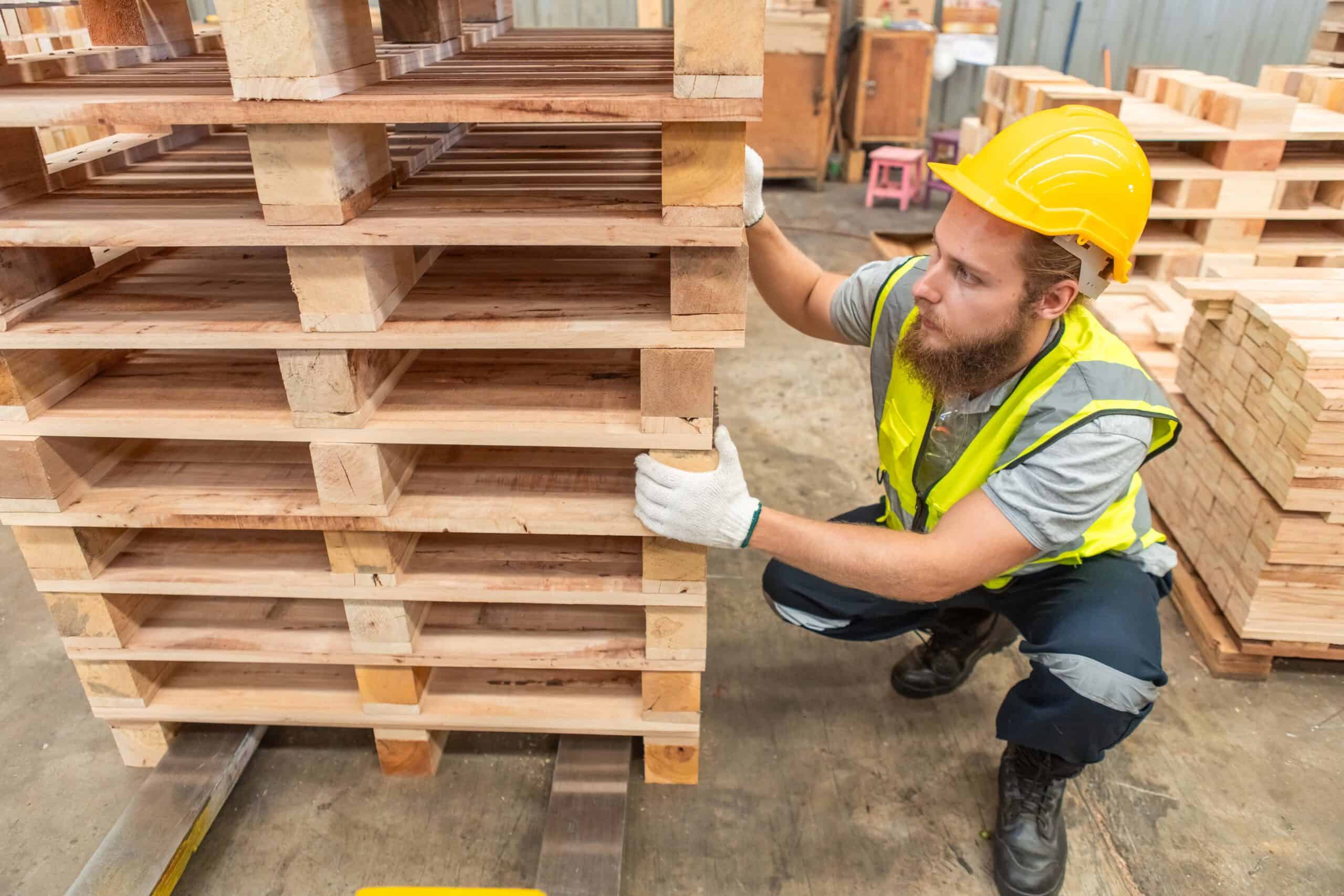
Pallet Grades Explained: What Grade A, B and C Mean
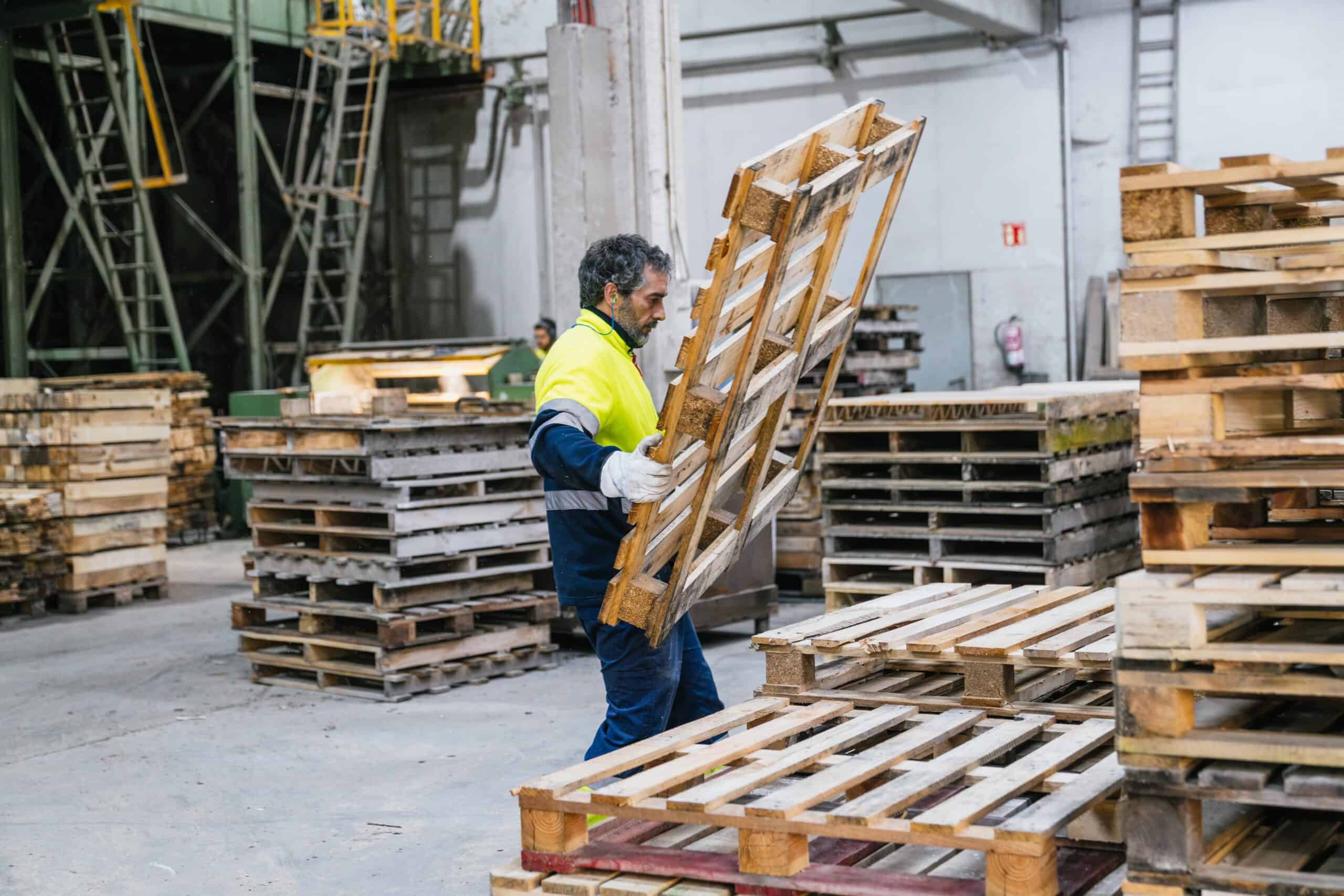
Pallet grades are informal condition tiers for recycled pallets, and no industry-wide standard defines them, so a Grade A label means whatever the seller defines. We see buyers get caught when they order by label alone. The grade tells you roughly how much repair a pallet has had, and the spec you write decides what arrives on the truck.
Key Highlights
- Recycled pallet grades have no industry-wide definition, and the most recent update to the US Uniform Standard for Wood Pallets left the recycled category out
- Grade B (#2) is the one tier with broad agreement: a pallet carrying 1 or 2 companion stringer repairs
- Grade A and #1 name the same tier, and the top tier also sells as Premium A, AAA or club
- 87% of US pallet repair firms assign grades by visual inspection (2012 survey data)
- A heat-treated pallet loses its ISPM 15 stamp once it is repaired
| Label on the quote | Other names you'll see | What the label tells you | Agreed across the industry? |
|---|---|---|---|
| Premium A | AAA, Triple-A, club | The best-condition used pallets a supplier sorts | Names and cutoffs vary by supplier |
| Grade A | #1, Standard A | The largest, middle tier of the used pallet market | The least defined grade of all |
| Grade B | #2, Class 2 | Repaired with companion stringers | Yes: 1 or 2 companion stringer repairs |
| Grade C | #3 | The lowest sorted tier of used pallets | None agreed |
| Combo | combination pallet | Built from a mix of new and recycled parts | A construction type, not a grade |
| Remanufactured | reman | Built entirely from recycled parts | A construction type, not a grade |
| New | ungraded | Ordered by design, lumber and fasteners | New pallets carry no grade |
What each pallet grade means
Each pallet grade describes how much wear and repair a used pallet carries, with Premium A at the top, Grade A and Grade B in the middle, and Grade C at the bottom of the sorted stock.
Grades apply to used pallets only. Repair yards collect used pallets, called cores, then sort, repair and resell them. Most graded stock is the 48 x 40 GMA pallet, because that footprint dominates the used pallet stream.
What is a #1 pallet?
A #1 pallet is the same pallet as a Grade A. Recyclers first sorted used pallets into A, B and C, then switched many price lists to 1, 2 and 3 around the early 1980s without new definitions, according to a recycler quoted in trade coverage of the recycled pallet grading debate. A #2 pallet is a Grade B.
What is a Premium A or AAA pallet?
Premium A, AAA, Triple-A and club pallet all describe the top tier of used pallets, the stock a recycler judges closest to new. Each yard sets its own cutoff. Two suppliers selling "AAA" can ship pallets with different repair histories, which is why standards committee members name a shared top-tier definition as their most useful near-term goal.
What is a Grade B pallet?
A Grade B, or #2, pallet has been repaired with 1 or 2 companion stringers. A companion stringer is a length of lumber nailed alongside a cracked stringer so the pair carries the load together. Grade B is the one tier with broad agreement across the pallet industry, and it is where most repaired stock lands.
What is a Grade C or combo pallet?
Grade C, also sold as #3, is the lowest sorted tier of used pallets, and no shared definition sets its limits. Combo pallets belong to a separate category. The US Forest Service describes them as pallets assembled from a mix of new and recycled parts, while remanufactured pallets are built entirely from recycled parts.
Why pallet grades differ from supplier to supplier
Pallet grades differ between suppliers because no industry-wide standard defines them. The same pallet can sell as an "A" in one yard and a "#1" in the next, and the top tier carries at least four names with no shared meaning.
The US reference document for wood pallets is the Uniform Standard for Wood Pallets from WoodPack Global, formerly the National Wooden Pallet and Container Association. When the association approved its most recent update in late 2025, the recycled pallet section was deliberately skipped so it would not hold up the rest of the revision.
The pressure to settle definitions is coming from buyers. Retailers investing in warehouse automation have started issuing chargebacks when pallets arrive below their quality specs. The Food Industry Association and the Consumer Brands Association have asked the pallet industry for a defined standard, and WoodPack Global's Recyclers' Council is gathering 57 internal grade specs from pallet companies to look for common ground. A consensus is not guaranteed.
A food manufacturer buys #1 pallets from two recyclers for the same retail distribution center. One recycler's #1 allows metal mending plates, and the other's does not. Both loads arrive correctly labelled by their own supplier's definition, and the retailer charges back one of them.
Is there an official pallet grading standard?
The United States has no official grading standard for recycled pallets. The WoodPack Global Uniform Standard for Wood Pallets sets minimum quality requirements for pallet construction, and its latest revision left the recycled category untouched. Every grade you see on a US quote is the supplier's own definition, which is why the buyer's written spec matters more than the label.
How pallets are graded
Pallets are graded by a person looking at them. In a Virginia Tech survey of US pallet repair firms, 87% relied on visual inspection to assign grades, and the remaining 13% added scanning machines to that visual check (2012 data).
Repairs decide most grades. Half companion stringers were the most common stringer repair in the same survey, used by 89% of firms, while 64% of firms did not use metal plates at all. Replaced deckboards round out the usual repairs. The study also found no standardized process for repairing wood pallets, so methods follow each yard's equipment and habits.
Repair changes a pallet's export status too. A heat-treated pallet must lose its ISPM 15 stamp once it is repaired, and most repair firms paint over the old mark. A repaired pallet needs fresh treatment to ship on lanes that require heat treated pallets.
Is a Grade B pallet safe to use?
Grade B pallets carry repairs, and research suggests a good repair holds up. Studies cited in the same Virginia Tech survey found new and repaired pallets showed similar resistance to rough handling in some supply chains, and metal plate repairs restored stringer strength to its original level. Repair quality varies by yard, so put the load rating in your spec.
Red flags
When a delivery does not match the grade you ordered:
- Companion stringers on pallets sold as Grade A or #1
- An old ISPM 15 stamp still legible on a pallet with newly fitted boards
- Deckboards or stringers of visibly different thickness across one load
Not sure which grade your racking, conveyors or wrapper will tolerate? Send us your load and equipment details and we will tell you whether a graded pallet fits or the job calls for one built to spec.
Match a pallet to your equipmentIf a graded pallet does the job, we will say so.
Which pallet grade fits which job
The right pallet grade depends on how the pallet is handled, who sees it, and where it ships. Size comes first, since a grade only matters once the pallet matches your standard pallet dimensions and racking.
Automated lines set the tightest limits. Conveyors, automated storage and high-bay racking tolerate less variation than a forklift moving pallets across a floor, and retailers investing in automation are the ones issuing pallet quality chargebacks. Loads bound for those docks need the top tier your supplier sorts, held to a written spec.
Internal moves are more forgiving. Pallets that stay inside your own plant, moving by forklift between production and floor storage, rarely need more than a sound Grade B.
Export loads turn on the mark rather than the grade. Any repaired pallet needs re-treatment and a legible IPPC mark to cross an ISPM 15 border, whatever tier it sold as.
How do I choose the right pallet grade?
Choose a pallet grade by matching it to the most demanding step the pallet will pass through. A pallet that rides a conveyor or sits in high-bay racking needs tighter condition limits than one moving by forklift between two docks in your own building. Write those limits down, since the grade name alone will not carry them.
How to order pallets so the grade holds up
Pallet grades hold up when the buyer writes the definition instead of accepting the supplier's. Industry coverage of the grading debate makes the same point: the pallet customer controls its own specification.
A usable spec for graded pallets covers these points:
- Size and style, such as a 48 x 40 four-way stringer pallet
- Deckboard count and minimum board thickness
- The repairs you accept (companion stringers, metal plates, replaced deckboards) and how many per pallet
- Condition limits for mold, stains, protruding nails and paint
- Heat treatment and a legible IPPC mark, where the load exports
- The supplier's written definition of the grade you are buying
Ask for a sample pallet, then check the first delivery against that sheet.
When a new pallet beats a Grade A
A new pallet built to spec makes sense when every pallet in a load has to match, or when you need a size the used market rarely carries. In the Virginia Tech survey, 80% of used pallets received by repair firms were 48 x 40. New pallets cost more, and what a wooden pallet costs turns on lumber, size and volume.
Key Takeaways
- Pallet grades apply to used pallets only, and no industry-wide standard defines them
- Grade A and #1 name the same tier, and the top tier also sells as Premium A, AAA or club
- Grade B, meaning 1 or 2 companion stringer repairs, is the one grade with broad industry agreement
- 87% of US repair firms assign grades by visual inspection
- A written spec listing accepted repairs and condition limits protects a buyer better than a grade name
Tell us what you ship and how it moves, and we will write the pallet spec your supplier has to meet.
Get a pallet spec for your loadsFrequently Asked Questions
Ready to Upgrade Your Pallet Strategy?
Whether you're looking for custom pallets, sustainable solutions, or just better pricing - we're here to help.