
How to Protect Your Pallets During Transit?
From selecting the right base to mastering stacking patterns, here is how to ensure your pallets - and the goods carrying them - arrive at their destination intact.
Pallets are the backbone of the global supply chain, but they are also one of the most vulnerable points in logistics. A damaged pallet doesn't just mean a broken piece of wood; it means a compromised load, rejected shipments, safety hazards for warehouse staff, and significant financial loss.
Whether you are shipping via LTL (Less-Than-Truckload) or full freight, protecting your pallets during transit isn't just about wrapping them in plastic - it requires a strategy for the entire Unit Load.
Step 1: Inspect the Pallet Base (The Foundation)
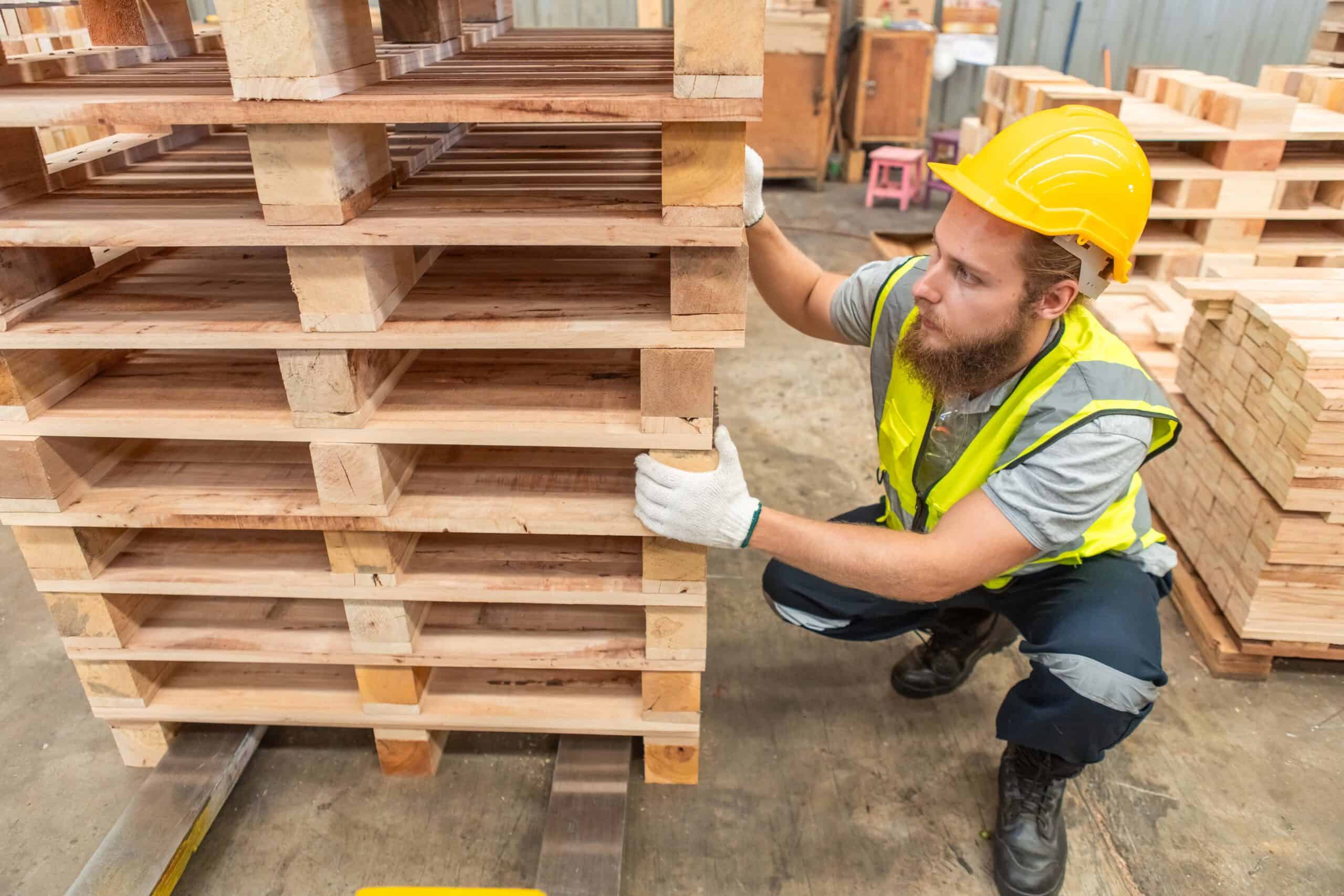
You wouldn't build a house on a cracked foundation, and you shouldn't stack valuable inventory on a compromised pallet. Protecting your load begins before a single box is stacked.
Before loading, every pallet must undergo a visual inspection. A weak base is the primary cause of load failure during the vibrations and shocks of transit.
What to Look For:
The GreenBlock Advantage: Engineered Durability
One of the most effective ways to protect your load is to switch to a pallet designed to resist these common failures.
Unlike traditional wood pallets that are prone to splitting and nail pops, GreenBlock pallets utilize a hybrid design with engineered plastic blocks.
Pro Tip: Never try to "make do" with a damaged pallet. If a pallet shows signs of structural failure, tag it for repair or recycling immediately. It is cheaper to replace a pallet than to replace a rejected shipment.
Step 2: Stacking Strategies for Stability
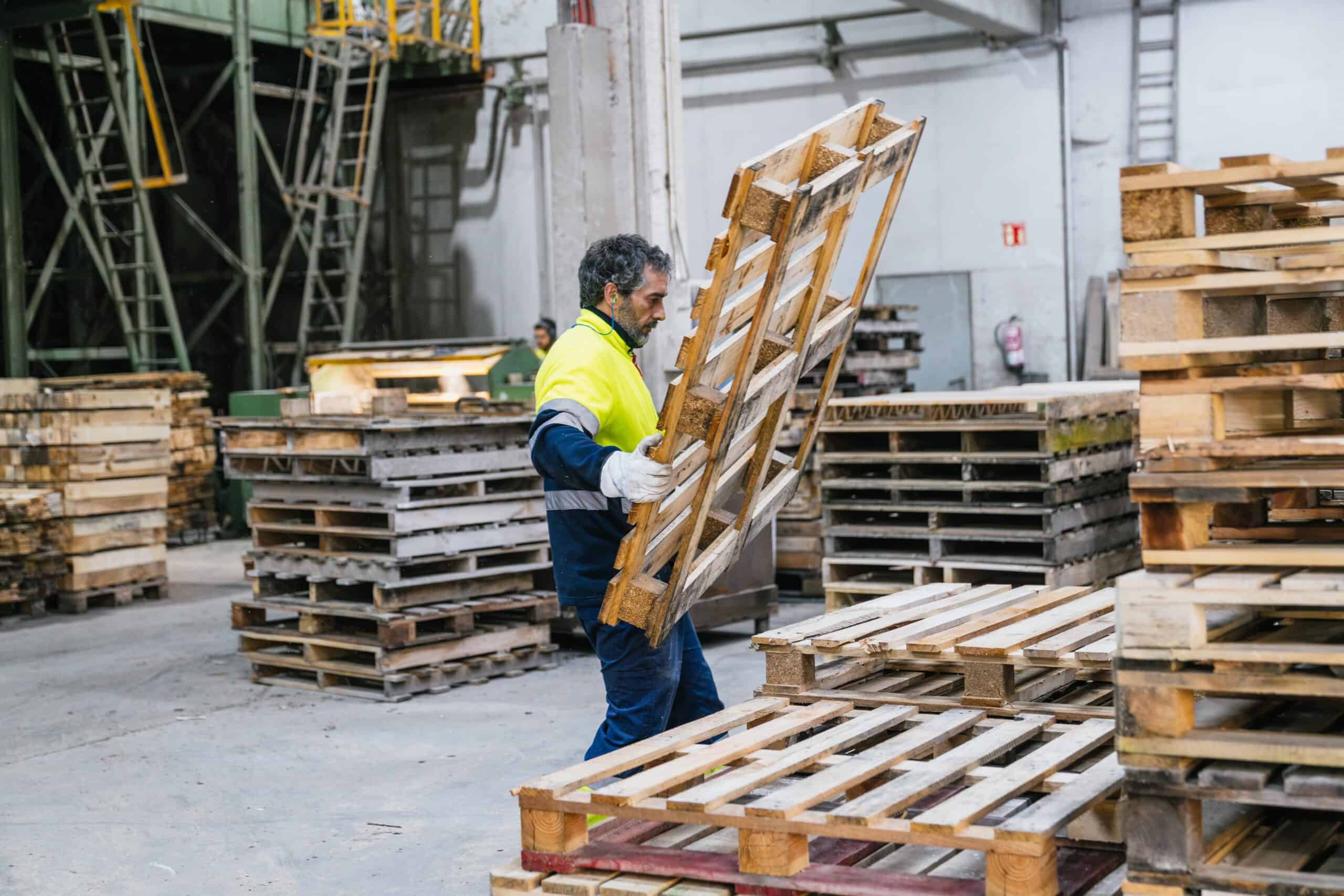
Once you have verified your pallet base is sound, the way you stack your cartons effectively determines the fate of your shipment. A pallet is only as strong as its stacking pattern.
Most transit damage occurs not because the pallet broke, but because the load shifted or crushed under its own weight. To prevent this, follow these three golden rules of stacking.
1. Column vs. Interlocking Patterns
There are two primary ways to stack boxes, and choosing the right one depends on your cargo:
Column Aligned (Corner-to-Corner):
Boxes are stacked directly on top of one another, with corners aligned.
Best For: Maximizing compressive strength. The corners of a box are its strongest points. By aligning them, you ensure the weight travels straight down to the pallet deck.
The Risk: This stack is unstable and prone to toppling (falling over) if not tightly wrapped or strapped.
Interlocking (Brick Pattern):
Layers are rotated 90 degrees, similar to laying bricks.
Best For: Load stability. The unit naturally holds itself together, reducing the risk of the stack splitting apart during transit.
The Risk: This can reduce compressive strength by up to 50%, as the heavy corners of top boxes sit on the weaker middle sections of the boxes below.
2. Eliminate Overhang
"Overhang" occurs when your goods extend beyond the edge of the pallet deck. This is one of the biggest causes of transit damage for two reasons:
The Fix: Always ensure your load fits strictly within the dimensions of the pallet (typically 48″ x 40″). If your boxes don't fit efficiently, consider using a larger custom pallet or optimizing your packaging.
3. Low Center of Gravity
This is basic physics, but often overlooked in the rush of the loading dock. Always place the heaviest, most dense items on the bottom layers and lighter, fragile items on top. A top-heavy pallet is a tipping hazard, especially when a truck makes a sharp turn or hard stop.
Step 3: Securing the Load (Wrapping & Strapping)
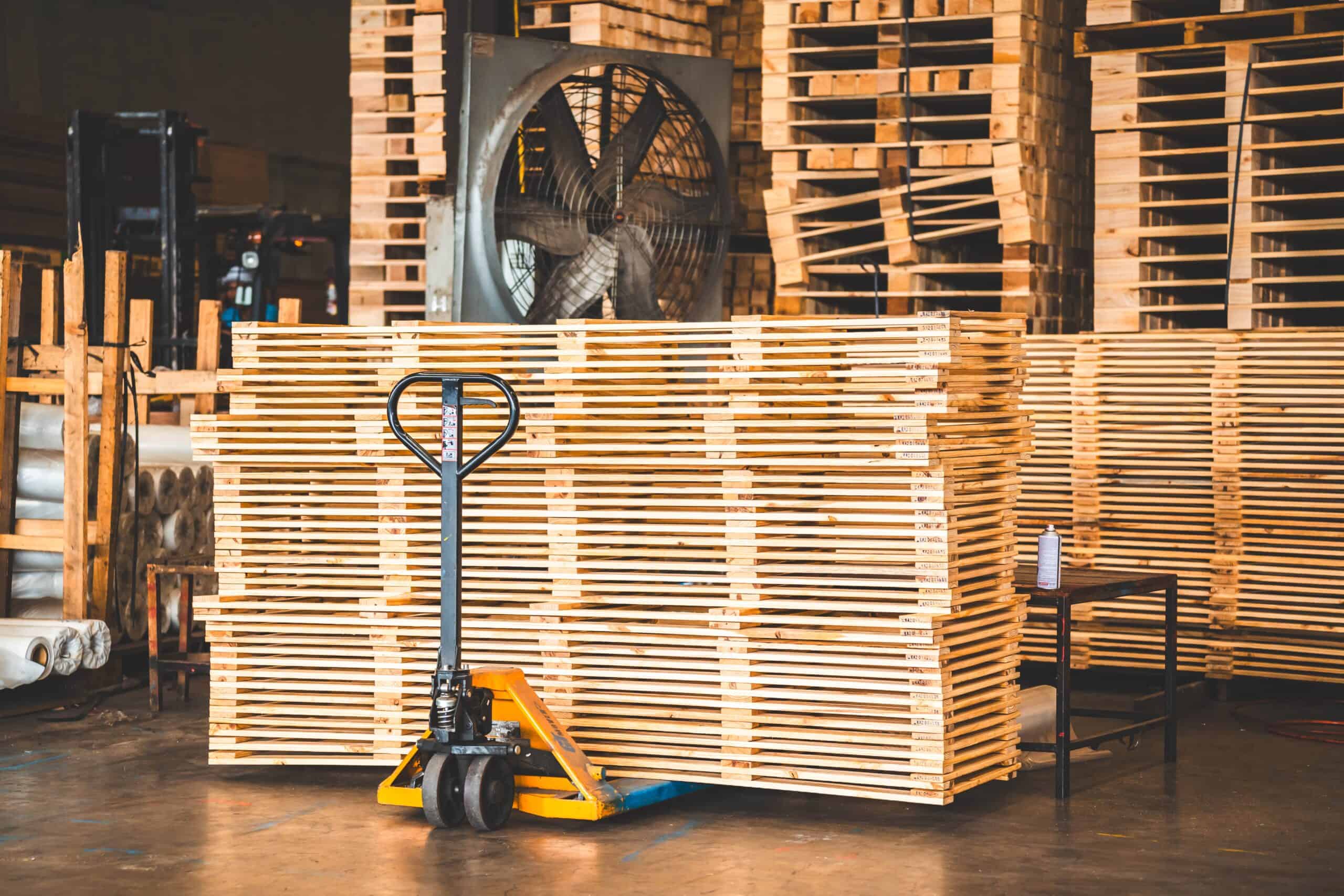
A stable stack is useless if it falls apart the moment the truck hits a pothole. Securing the load to the pallet is the most critical step in preventing "load shift" - the leading cause of freight damage.
Depending on the weight and nature of your goods, you will rely on two primary methods: Stretch Wrapping and Strapping.
1. The Art of Stretch Wrapping
Stretch wrap is not just about keeping dust off your products; it is a structural component of the shipment. When applied correctly, it acts like a giant rubber band, pulling the load inward and securing it to the pallet base.
2. When to Use Strapping (Banding)
For heavy industrial loads, lumber, or machinery, plastic wrap isn't enough. You need strapping to physically hold the item down.
Pro Tip: Never strap directly against a cardboard box. The high tension will slice right through the carton, damaging your product. This brings us to the next essential tool: Corner Boards.
3. Corner Boards (Edge Protectors)
Corner boards are rigid V-shaped strips (usually heavy cardboard or plastic) that run vertically along the corners of your stack.
Step 4: Preventing Forklift Damage
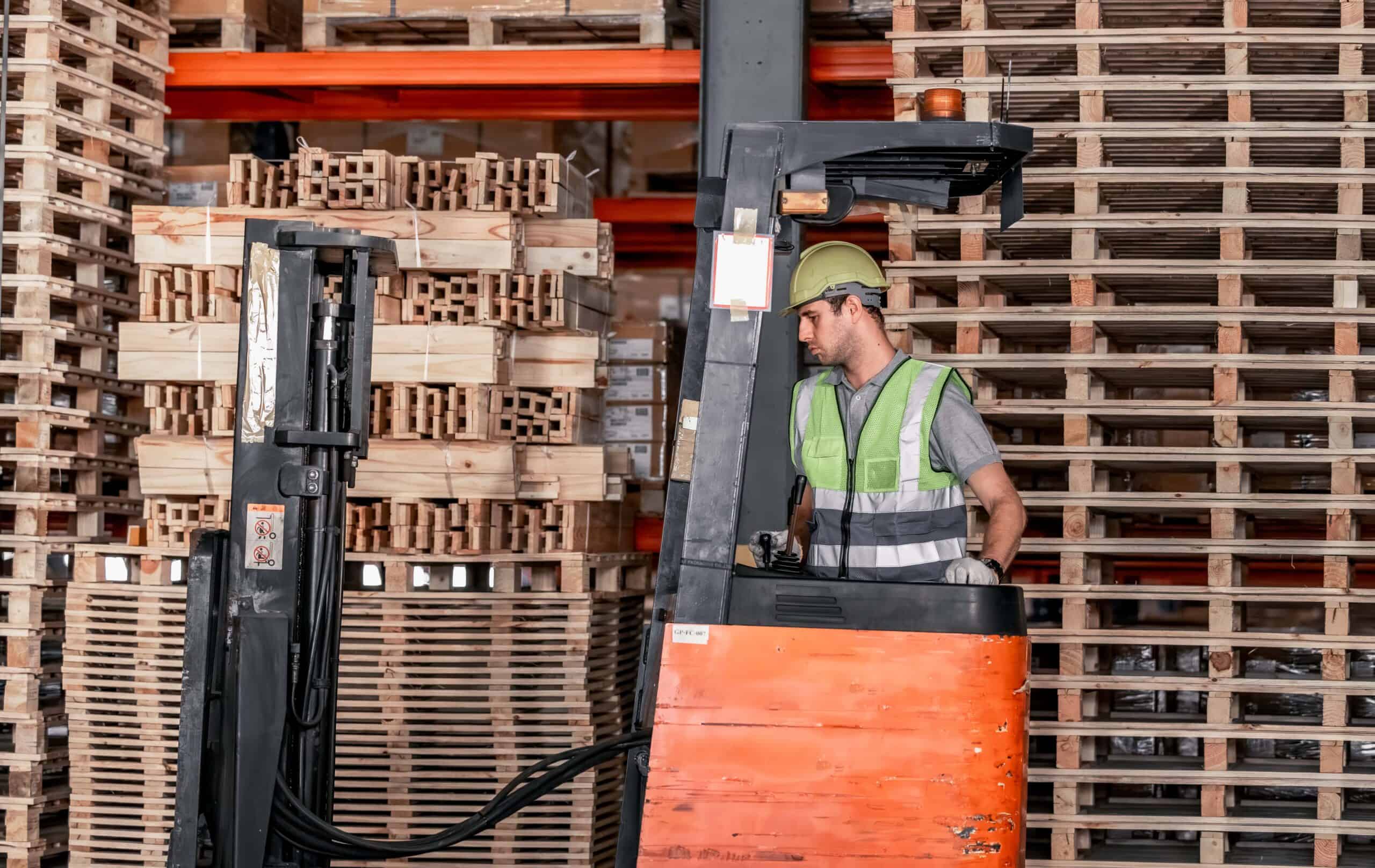
The forklift is simultaneously the pallet's best friend and its worst enemy. Industry estimates suggest that the vast majority of pallet damage occurs not during transit, but during loading and unloading at the dock.
A forklift tine moving at speed carries thousands of pounds of force. If it strikes the wrong part of the pallet, it can shatter leading boards or destabilize the entire load.
1. Master the Entry
The most common damage occurs when drivers enter the pallet too quickly or at an improper angle, causing the tines to "spear" the stringers or blocks.
2. The GreenBlock Solution: True 4-Way Entry
One of the biggest limitations of traditional "stringer" pallets is that they are often only 2-way entry. This means a forklift can only pick them up from the front or back. If a forklift approaches from the side, the driver has to physically manhandle the pallet to rotate it, increasing the risk of damage and injury.
GreenBlock pallets utilize a 4-way block design.
Step 5: Inside the Truck (Dunnage & Bracing)
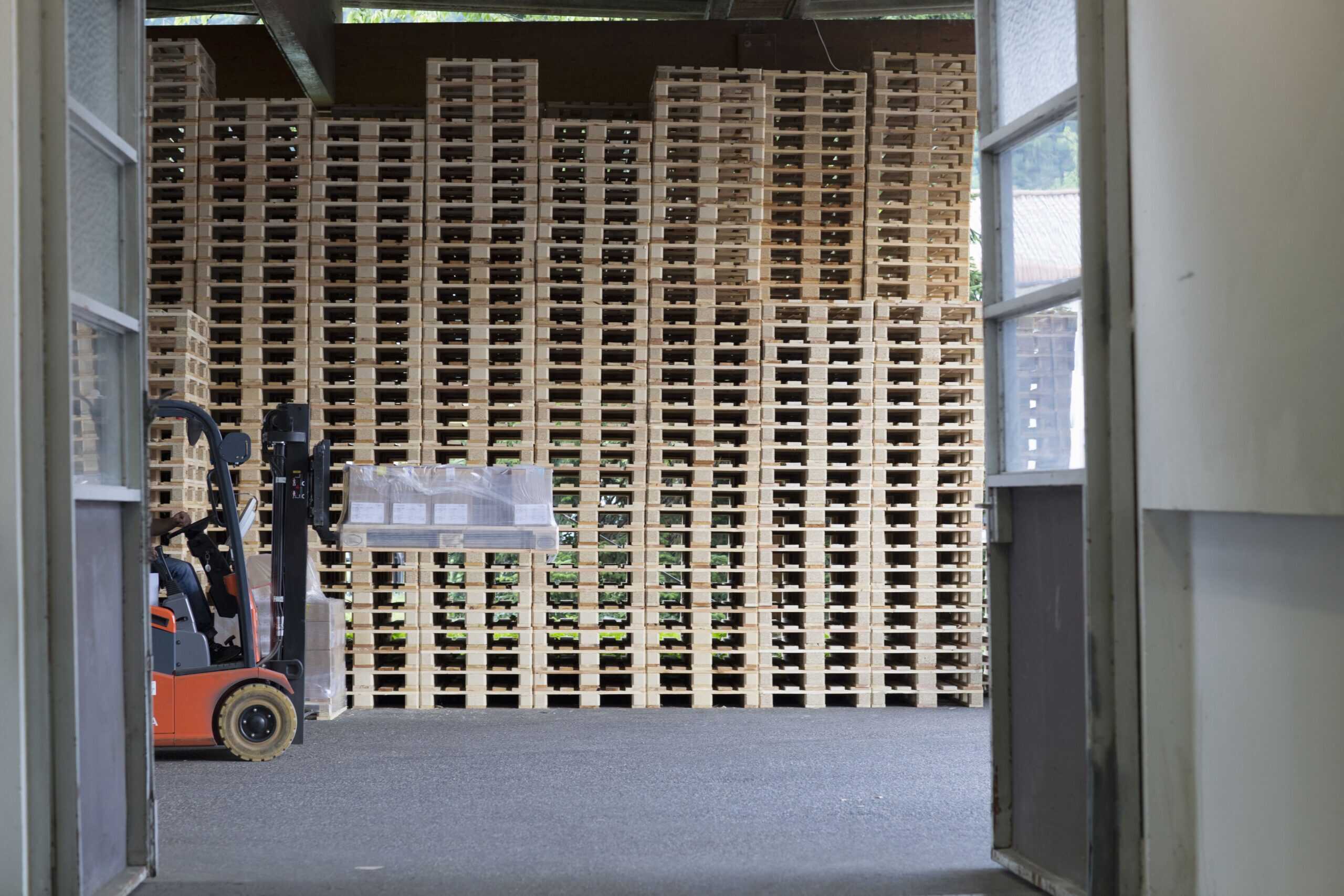
You can inspect, stack, and wrap your pallet perfectly, but if it is loaded into a truck with 12 inches of empty space next to it, it will likely arrive damaged.
In transit, "voids" (empty spaces) are the enemy. When a truck brakes hard or takes a sharp turn, unsecured pallets will slide into those gaps, creating a domino effect of crushing impacts.
Fill the Void
Professional freight carriers use dunnage to immobilize cargo. If you are loading your own trucks or managing a private fleet, ensure your team is using:
Conclusion: A Secure Load is a Profitable Load
Protecting your pallets during transit isn't just about following rules - it is about protecting your bottom line. Every damaged pallet represents a potential rejected shipment, a strained client relationship, and the hidden administrative costs of filing freight claims.
By following these five steps - starting with a solid base, stacking intelligently, securing the load, and loading the truck properly - you can virtually eliminate preventable transit damage.
Start with the Right Foundation
The best stacking strategy in the world cannot save a weak pallet. If you are looking for a pallet that offers superior durability, 4-way entry for safer handling, and moisture resistance for consistent performance, it is time to look at GreenBlock.
Our engineered design provides the stable, reliable base your operations need to ensure your products arrive exactly the way they left your dock: safe, secure, and ready for sale.
Ready to Upgrade Your Fleet?
Contact Pallets LLC today for a quote on our damage-resistant hybrid pallets.