
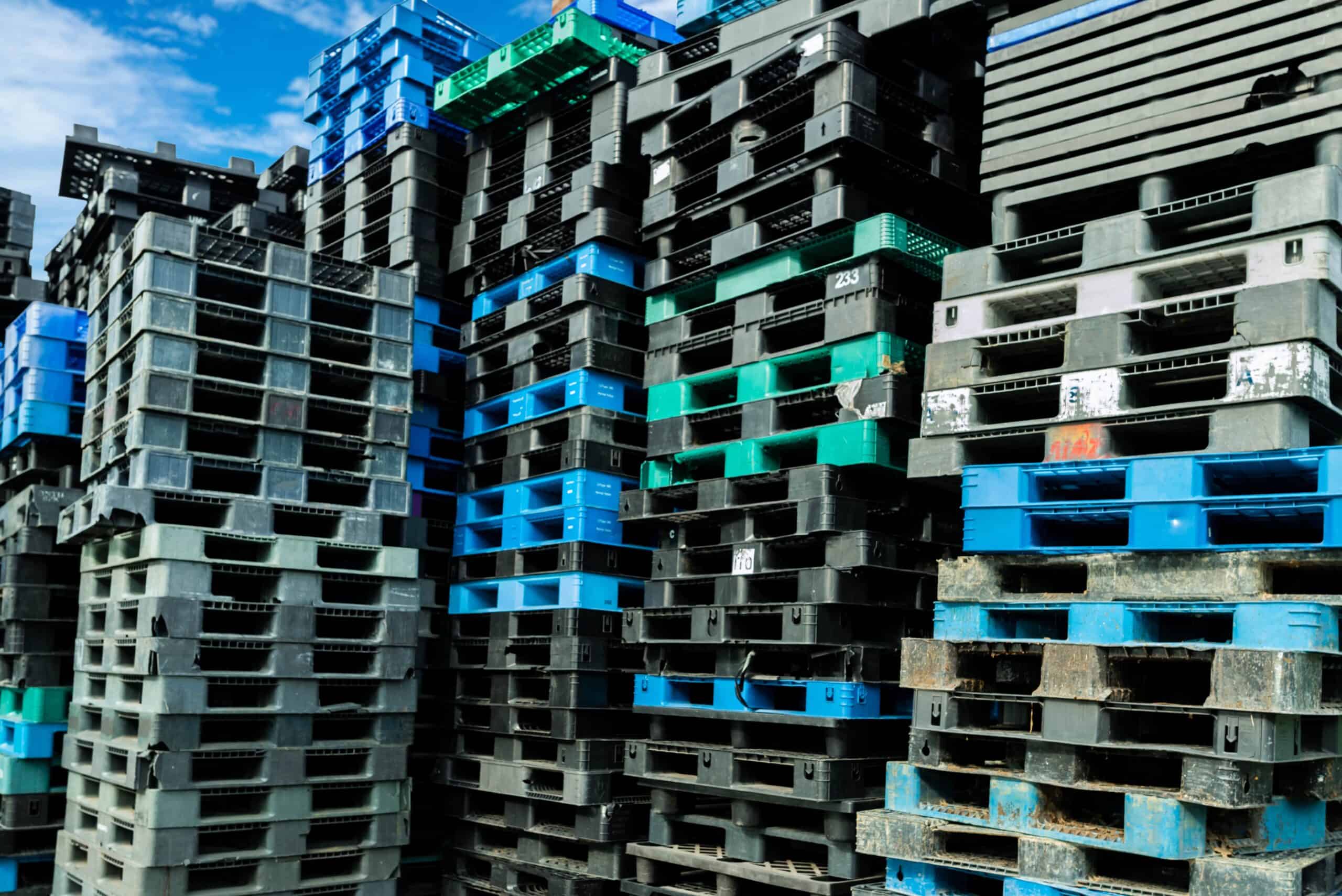
Plastic Pallets vs Wooden Pallets: How to Choose for Your Operation
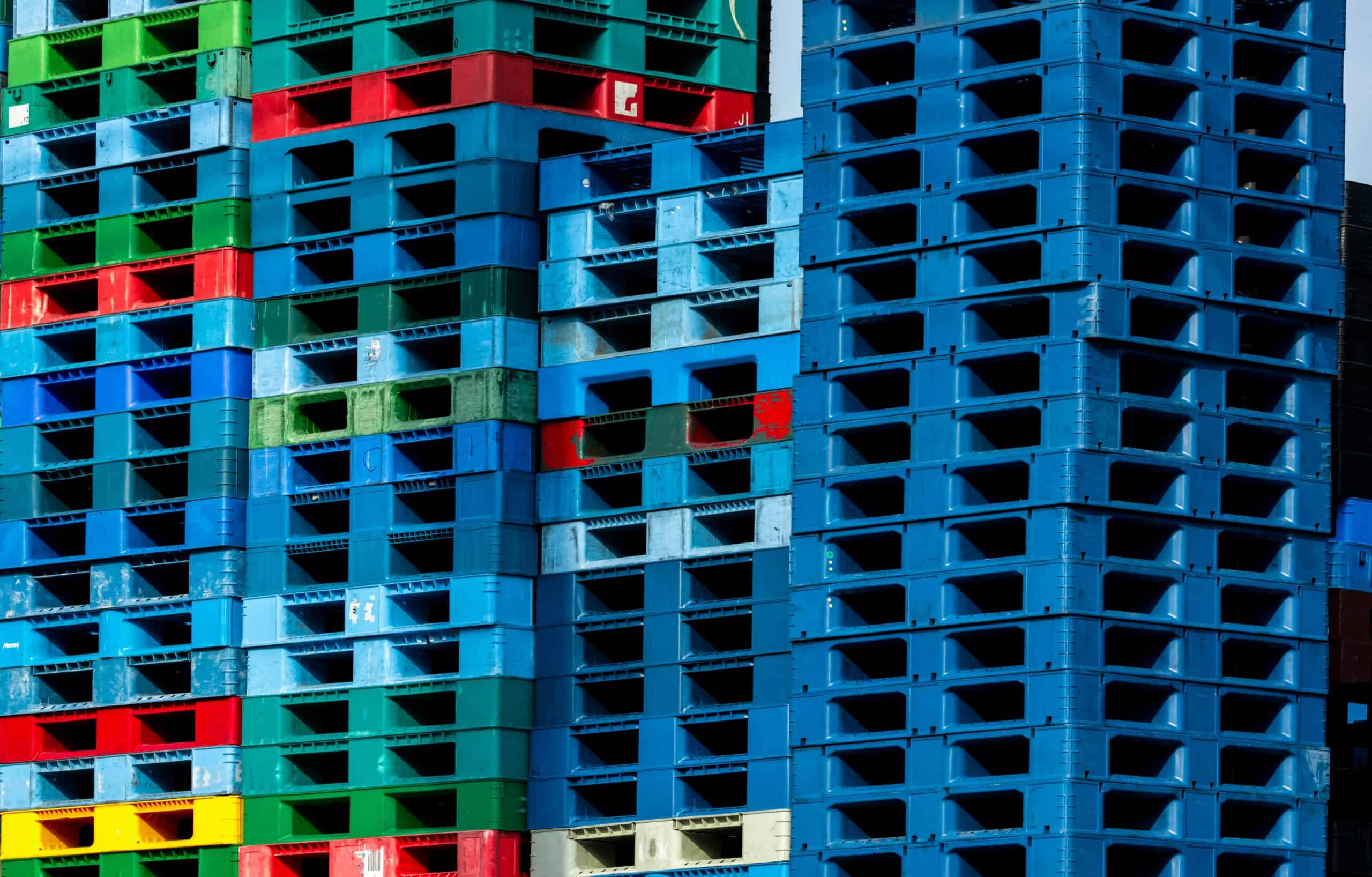
Wooden pallets cost less per trip on one-way shipments, while plastic pallets pay for themselves only in closed-loop systems that recover them. We hear this question from operations shipping a hundred loads a week and from ones shipping five. The answer turns on how many of your pallets come back.
Key Highlights
- Wood makes up more than 90% of the pallets in use across the United States
- Wood pallets can be repaired board by board, while a cracked plastic pallet is usually replaced
- NFPA 13 treats plastic pallets as a higher fire hazard than wood, which can change your sprinkler requirements
- ISPM 15 applies to solid wood packaging only, so plastic pallets cross borders without heat treatment or an IPPC mark
- A 2020 Penn State life cycle assessment found heat-treated wood pallets carried a carbon footprint 71.8% lower than plastic on a one-trip basis
Which Pallet Fits Your Operation
| Your operation | Better fit | Why |
|---|---|---|
| One-way outbound shipments | Wood | You pay for the pallet once and never see it again, so lifespan buys you nothing |
| Closed loop with tracked returns | Plastic | Higher unit cost spreads across dozens of recovered trips |
| Food, pharmaceutical, washdown | Plastic | Non-porous surface takes sanitizers and water without absorbing them |
| Automated AS/RS and conveyors | Plastic | Molded dimensions stay consistent, which keeps jam rates down |
| Heavy, irregular, or oversized loads | Wood | Built to any size and spec, with higher load ratings available |
| Export to ISPM 15 countries | Depends | Plastic skips treatment entirely, wood needs heat treatment and a mark |
How to Choose Between Plastic and Wooden Pallets
Start with recovery rate, because that number decides the outcome more than any spec on a data sheet. A plastic pallet rated for a decade of service delivers none of that value if it leaves your dock on a truck and stays gone. A wood pallet that costs a fraction as much does the same single job for less money.
Look at the pallets you shipped last quarter and count how many came back. Most operations find the number sits at one of two extremes: near zero for outbound distribution, or above 80% for a closed loop between two facilities. Operations in the middle are where the math gets interesting, and where an honest pallet supplier earns their keep.
You can see the same split inside one company. A beverage producer we talked with runs plastic pallets between its plant and its own regional warehouse, where every pallet returns on the empty backhaul, and runs wood on everything going out to retail customers, where nothing comes back. Two materials, one operation, and both choices are correct.
Does the pallet come back?
If the pallet leaves your control and never returns, treat it as a single-use cost. Durability, lifespan, and trip ratings stop mattering at that point, and the cheapest pallet that safely carries the load wins. If the pallet returns on a fixed route you control, its cost spreads across every trip it survives.
How many trips before plastic breaks even?
Divide the plastic pallet's price by the wood pallet's price to get your break-even trip count. A plastic pallet costing five times more needs to complete at least five recovered trips to match wood on unit cost alone, and more than that once you account for loss and damage along the route.
Recommended: pull ninety days of shipping records and calculate your actual pallet return rate before you price anything. Suppliers can quote you either material. Only your recovery data tells you which quote to accept.
Reviewing what pallets are made of helps if you are also weighing metal or engineered options alongside these two.
What Plastic and Wooden Pallets Cost
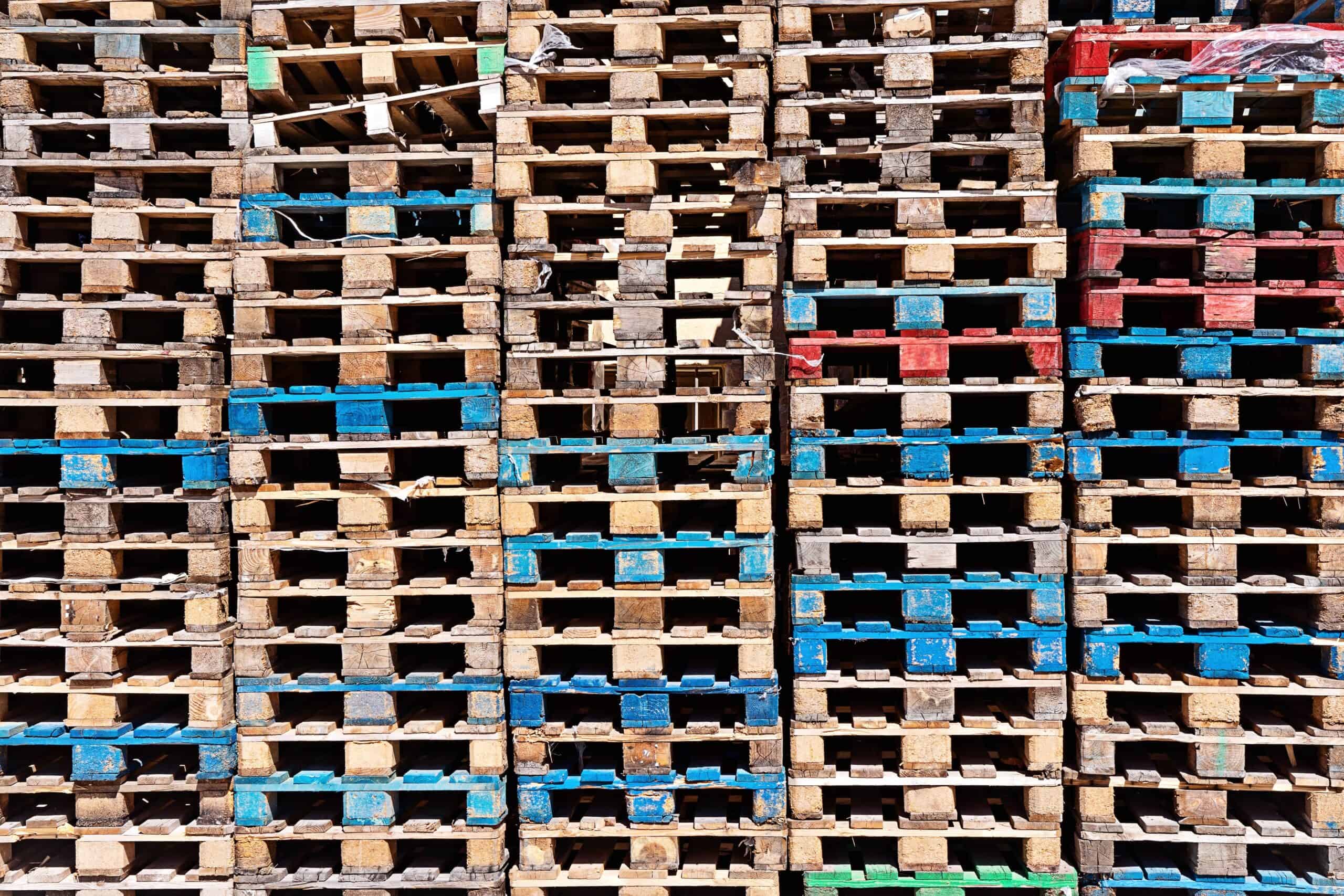
Plastic pallets cost several times more per unit than wood, and the gap holds across nearly every size and spec. Wood pallet prices track lumber costs, labor, and whether the pallet is new or recycled. Plastic pallet prices track resin costs and the tooling behind the mold, which is why a heavy rackable plastic pallet and a light nestable one can sit far apart on the same price list.
Used wood pallets are the cheapest entry point in the market. A marketplace index built from live listings and adjusted with Bureau of Labor Statistics lumber data puts the average used pallet price at about $5 per unit, which is a fraction of any new plastic pallet on the market.
How much do plastic pallets cost compared to wood?
Plastic pallets typically run several times the price of a comparable new wood pallet, and roughly an order of magnitude above a recycled one. The multiple varies by size, load rating, and whether the pallet is nestable or rackable. Quote both materials on your exact spec rather than a general range.
How long do plastic pallets last?
Plastic pallets outlast wood in service life, often by years in a controlled loop. Service life only converts to savings when the pallet stays inside that loop. Track your loss rate alongside your damage rate, because a plastic pallet lost to a customer's yard costs the same as one that cracked.
Can plastic pallets be repaired?
Wood pallets are repaired board by board, and a damaged deckboard or stringer gets replaced for a few dollars. Most plastic pallets are single molded pieces, so a crack near a load-bearing point ends the pallet's life. That repairability gap drives more of the cost difference than the sticker price does.
| Cost factor | Wood | Plastic |
|---|---|---|
| Upfront unit cost | Lowest in the market, especially recycled | Several times higher |
| Cost on a one-way trip | Full unit cost, every shipment | Full unit cost, every shipment |
| Cost in a closed loop | Unit cost across trips, plus repairs | Unit cost across trips |
| Repair | Board and fastener replacement | Rarely repairable, usually replaced |
| End of life | Recycled, remanufactured, or ground for mulch and fuel | Reground where a processor accepts the resin |
Our breakdown of what a wooden pallet costs covers the lumber, labor, and volume factors behind the wood side of that table.
How Much Weight Plastic and Wooden Pallets Hold
Every pallet carries three different load ratings, and comparing the wrong one is how buyers end up with a pallet that fails in the rack. Static load, dynamic load, and racking load describe three separate situations, and the numbers for a single pallet can differ by a factor of ten.
Think of the three ratings the way you would think about a ladder. What the ladder holds while leaning against a wall, what it holds while someone climbs it, and what it holds spanning a gap between two points are three different answers about the same ladder. Pallets work the same way, and a spec sheet that lists one number without saying which one it is tells you very little.
How much weight can a plastic pallet hold?
Plastic pallet capacity depends on the mold design, the resin, and whether the pallet has structural reinforcement. Nestable plastic pallets designed for light distribution sit at the low end, while rackable molded pallets sit far higher. Ask any supplier for all three ratings, tested, before comparing a plastic pallet against a wood one.
Why one pallet has three different load ratings
Static load is what the pallet holds sitting on a flat floor. Dynamic load is what it holds while a forklift or jack moves it. Racking load is what it holds supported only at its edges inside a rack, and that figure is always the lowest of the three. Racking load is the one that fails expensively.
Load ratings also depend on footprint, which is part of why the 48 by 40 standard pallet dominates North American distribution.
When Plastic Pallets Are the Right Choice
Plastic pallets are the correct answer in sanitation-driven environments and in automated material handling, and any supplier who tells you otherwise is selling rather than advising. Both situations reward the properties molded plastic has and wood does not: a non-porous surface and dimensions that never vary.
Food, pharmaceutical, and washdown environments
Plastic pallets take high-pressure washing, hot water, and chemical sanitizers without absorbing moisture. Wood is porous, and a wood pallet that gets soaked holds water in the grain. In facilities running sanitation protocols on a schedule, plastic removes a variable that wood introduces.
Automated storage and conveyor systems
Automated systems read pallets as fixed geometry. A molded plastic pallet leaves the mold at the same dimensions every time, while a wood pallet varies with the lumber, the moisture content, and the wear. In an AS/RS or a high-speed conveyor line, that variation shows up as jams and downtime.
Fire Code Requirements for Pallet Storage
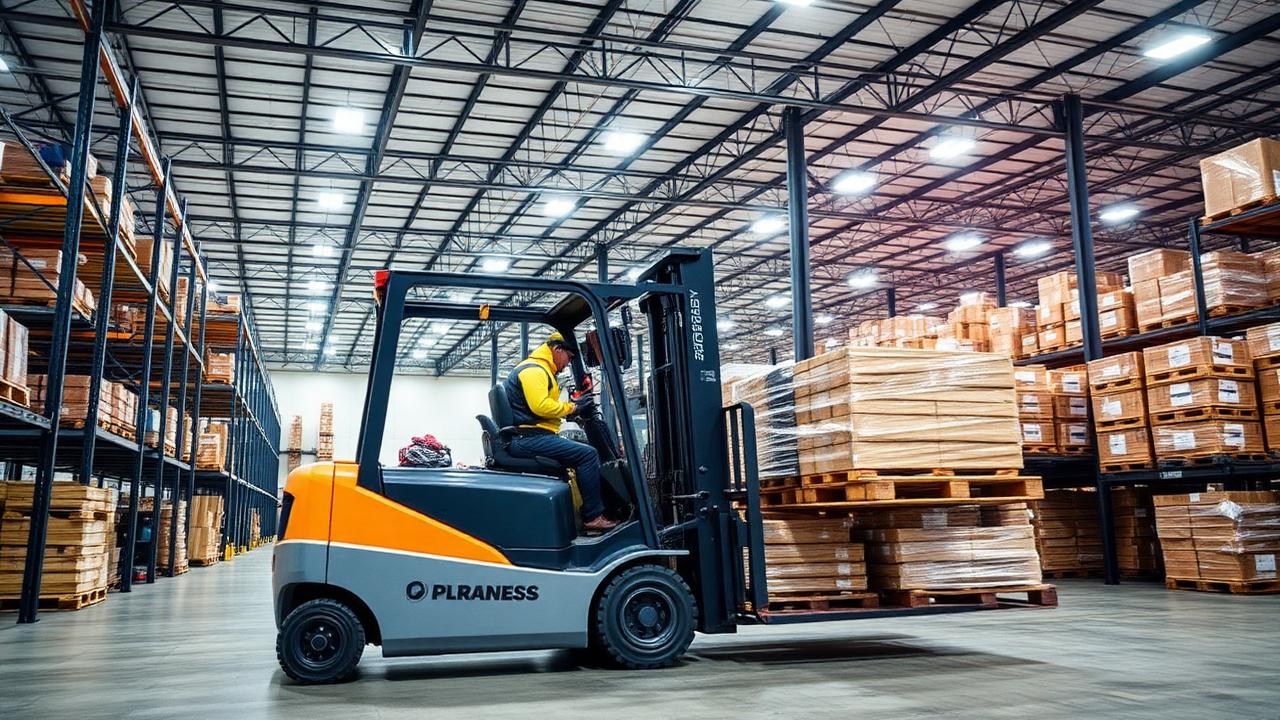
Fire codes treat plastic pallets as a greater hazard than wood pallets, which is the opposite of what most buyers assume. NFPA 13 defines a wood pallet as one built entirely of wood with metal fasteners, and defines a plastic pallet as any pallet containing plastic in its construction. Plastic pallets face stricter sprinkler design criteria unless they have been tested and listed as equivalent to wood.
Idle pallet storage is the exposure, whether the pallets are wood or plastic. Stacked empty pallets burn fast because air moves freely between the boards and the fire climbs. Fire codes address the stacks sitting in your yard and against your walls, and those requirements vary by the code edition your jurisdiction has adopted.
Are plastic pallets safer than wood pallets?
Plastic pallets are safer to handle, with no nails and no splinters, and they are the higher fire hazard in storage. Both statements are true at once. Handling safety shows up daily on the floor, while fire classification shows up in your sprinkler design and your insurance review.
When idle pallet storage triggers sprinkler requirements
High-piled storage rules usually start at 12 feet, but high-hazard commodities including idle pallets and certain plastics can hit that threshold at 6 feet. Crossing it brings sprinkler requirements with it. Confirm the trigger height with your local authority having jurisdiction, since adoption of code editions varies.
Red flags:
- Idle pallet stacks stored inside an open warehouse area rather than a cut-off room
- Pallet stacks pushed against an exterior wall with no separation distance
- Idle pallets stored on solid-shelf racking
- A switch to plastic pallets made without telling your fire protection engineer or your insurer
- Sprinkler design based on a wood pallet classification after the pallets changed
Storage conditions affect pallet life as well as fire exposure, which our guide to protecting pallets during transit and storage covers in more detail.
Cut pallet weight without moving to plastic. GreenBlock replaces the solid wood block inside a standard pallet with a lighter engineered block, so you keep wood's repairability and cost profile while trimming weight and lumber use.
See how GreenBlock comparesBuilt around your load, your handling equipment, and your storage setup.
Export Rules: ISPM 15 and Wood Packaging
ISPM 15 covers solid wood packaging, which puts plastic pallets outside the standard entirely. Wood pallets heading to a country that requires compliance must be debarked, treated, and marked. Plastic pallets carry no treatment obligation, and for exporters shipping constantly into regulated markets, that exemption is the strongest case plastic makes.
Do plastic pallets need heat treatment for export?
Plastic pallets need no phytosanitary treatment, because ISPM 15 regulates wood packaging and the pests that travel inside it. Metal pallets are outside the standard for the same reason. A wood pallet, a wood crate, and wood dunnage all fall under it, and a single untreated wood component can hold a shipment at the border.
What the ISPM 15 mark means
The mark certifies that the wood was debarked and then treated. For heat treatment, the wood core must reach 56 degrees Celsius for at least 30 minutes. The mark carries the IPPC logo, a two-letter country code, a unique producer number, and a treatment code. In the United States, the American Lumber Standard Committee runs the accreditation behind it.
The United States and Canada exemption
Wood packaging manufactured from wood originating in the continental United States or Canada is exempt when moving between the two countries. The exemption depends on paperwork, and the import documentation has to carry a statement naming the wood's origin. Shipments without that statement lose the exemption.
Which Pallet is More Sustainable
A 2020 life cycle assessment published in the Journal of Industrial Ecology compared treated wood and plastic pallets across nine environmental impact categories and found wood ahead on a one-trip basis. The Penn State researchers reported that wood pallets with conventional heat treatment carried an overall carbon footprint 71.8% lower than plastic, and 80.3% lower with radio frequency heat treatment.
The study compared grocery industry pallets on a one-trip basis and again across 100,000 trips, so the findings describe that population and those conditions. Plastic's footprint improves as trips accumulate, which is the same recovery-rate variable that drives the cost question. Sustainability and cost point at the same number.
Which is more eco-friendly, wood or plastic pallets?
On a single trip, the Penn State assessment put heat-treated wood well ahead of plastic. Wood comes from a renewable material, gets repaired rather than replaced, and has established recycling streams. Plastic pallets are made from petroleum-derived resin, and their recycling depends on whether a local processor accepts that resin.
Why lifespan alone does not settle the footprint question
A longer-lived pallet spreads its manufacturing footprint across more trips, which is a real advantage inside a closed loop. A plastic pallet that completes three trips before disappearing never earns that advantage back. Count trips completed rather than trips a pallet is rated for.
Key Takeaways
- Recovery rate decides the answer, and pallets that do not come back should be costed as single-use
- Plastic pallets need to complete their price multiple in recovered trips before they match wood on unit cost
- NFPA 13 classifies any pallet with plastic in it as a plastic pallet, which carries stricter sprinkler design criteria
- ISPM 15 applies to solid wood packaging only, and plastic pallets ship internationally without treatment or a mark
Get a pallet built around your numbers. The figures that matter are your trip count, your recovery rate, and your load. Send us those and we will spec a pallet against them.
Get a pallet spec for your operationTell us your loads, dimensions, and volumes.
Frequently Asked Questions
Ready to Upgrade Your Pallet Strategy?
Whether you're looking for custom pallets, sustainable solutions, or just better pricing - we're here to help.