If you work in shipping or warehousing long enough, you hear the debate. Plastic pallets are modern. Wood pallets are traditional. One must be better, right?
Not exactly. The truth is that both pallet types have strengths, and choosing the right one depends on what you move, how far it travels, and the efficiency and sustainability goals your company cares about.
Plastic pallets shine in specific environments like clean rooms and high-sanitation industries. Wood pallets remain the backbone of global logistics thanks to their affordability, repairability, and easy recyclability.
And then there is a third option gaining ground: engineered wood solutions like GreenBlock pallets. They use less wood, support heavy loads, and reduce waste and fuel use, creating a practical middle path for companies that want performance and sustainability without the high cost of plastic.
Let’s break down when plastic makes sense, when wood wins, and how engineered wood pallets fit into the future of responsible shipping.
Plastic Pallets at a Glance
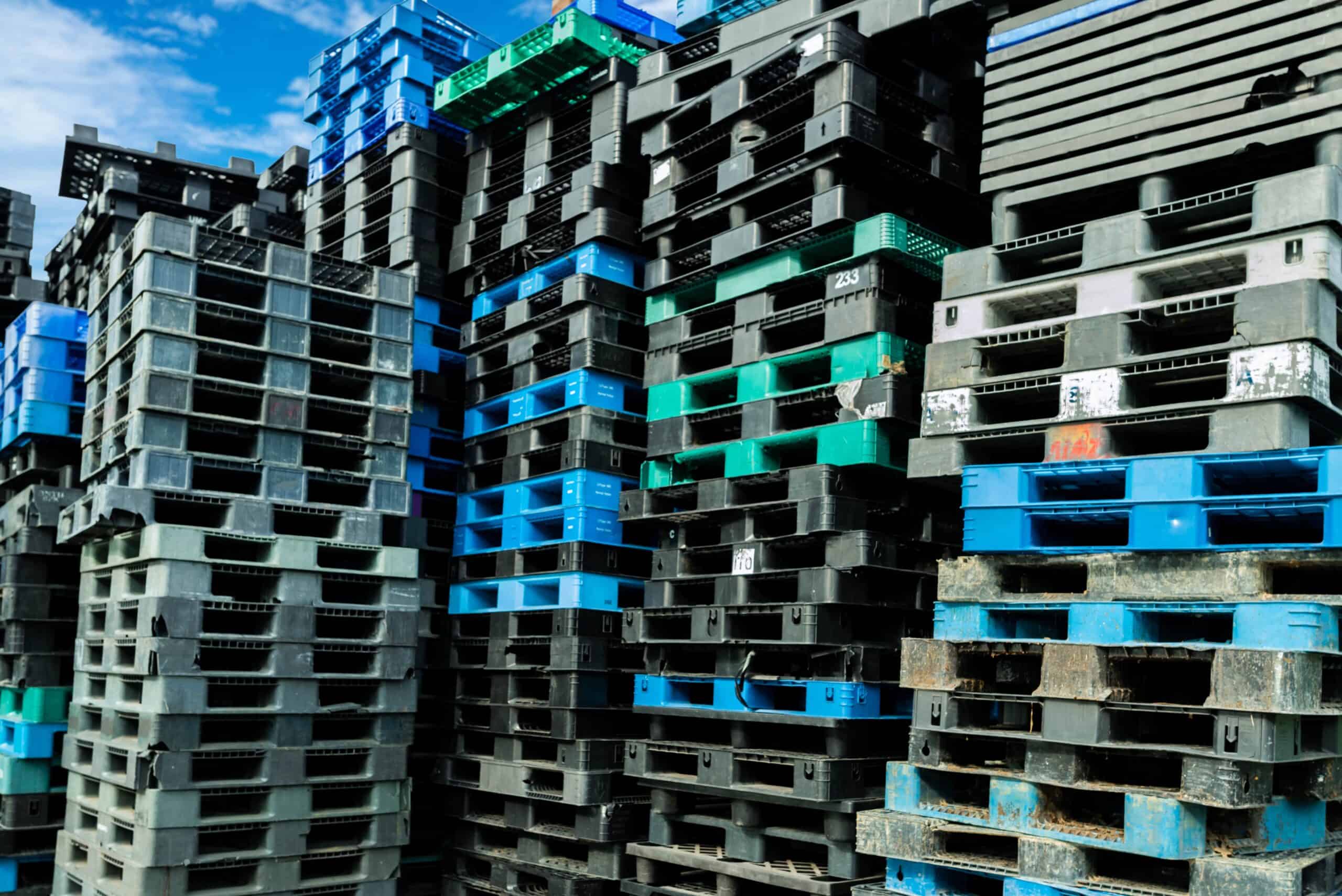
Plastic pallets often get a reputation for being sleek, modern, and high-tech. And in certain industries, they absolutely earn that praise. But like any supply-chain tool, they have strengths and trade-offs.
Where Plastic Pallets Perform Well
Plastic pallets are a strong fit when your environment needs:
- High sanitation standards
- Easy wash-down surfaces
- Consistent sizing and weight
- Resistance to moisture, chemicals, or pests
They are especially common in:
- Food processing
- Pharmaceuticals
- Clean rooms
- Export shipping to regions with strict regulations
If hygiene and consistency are non-negotiable, plastic gets the job done.
Where Plastic Pallets Fall Short
Plastic pallets are not always the most cost-friendly or flexible option. Challenges include:
- Higher upfront cost
- Hard-to-repair structure
- More complex disposal or recycling
- Potential cracking under heavy impact
If a pallet cracks or fails, replacement usually means buying a new one, not patching it up.
Good, But Not Always the Right Fit
Plastic pallets offer excellent performance in controlled environments, but for everyday warehouse workflows, general distribution, and high-volume shipping, they can feel more expensive than necessary — especially if your operation needs continuous replacement, flexibility, and repair options.
Wooden Pallets at a Glance
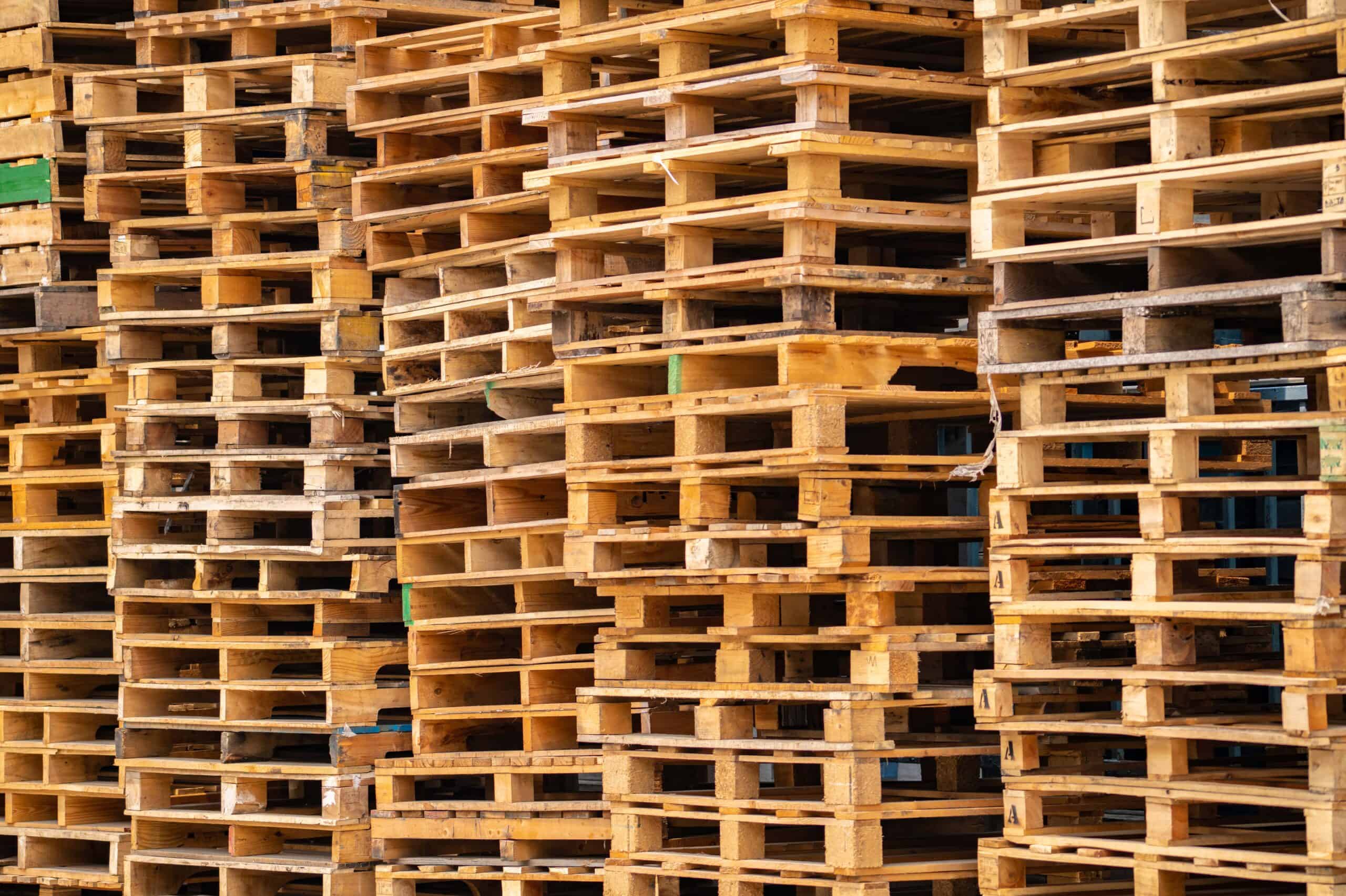
Wooden pallets have been the backbone of global logistics for decades, and for good reason. They are cost-effective, easy to repair, and widely accepted across supply chains and freight networks.
Where Wooden Pallets Perform Well
Wood works best when your operation values:
- Budget-friendly pricing
- Simple in-house repairs
- Strong load capacity
- Broad equipment and rack compatibility
- Easy recycling or re-use
You will see wood in nearly every industry, from manufacturing floors to distribution centers and retail supply chains.
They also offer flexibility in build, which makes them ideal for custom sizes, heavy loads, and specialized packaging requirements.
Where Wooden Pallets Have Limitations
Wood pallets are durable, but like any natural material, they come with considerations:
- Heavier than some plastic versions
- Can absorb moisture
- May splinter with rough handling
- Appearance varies by batch and use
None of these are deal-breakers in most industrial applications, but they are factors worth noting for high-sanitation or controlled environments.
Dependable, Repairable, and Cost-Smart
Wood pallets remain the go-to choice for most operations because they are practical, repairable, and affordable. When handled well, they deliver strong performance across thousands of loads and can be recycled or repurposed at the end of their life cycle.
For companies focused on efficiency and sustainability, engineered wood systems take these strengths even further — and that is where the GreenBlock approach becomes especially interesting.
Cost Comparison: Wood vs Plastic
One of the biggest differences between wood and plastic pallets is cost. Plastic can offer long-term durability, but the upfront price gap is hard to ignore, especially at scale.
Below is a simple way to think about the financial side of each option:
| Factor | Wood Pallets | Plastic Pallets |
|---|---|---|
| Upfront cost | Lower | Higher |
| Typical Price Range | ~$12–$20 new, $5–$12 recycled | ~$60–$120+ depending on spec |
| Repairs | Easy and inexpensive | Often impossible or costly |
| Lifespan | Strong, especially with repair | Long, until structural failure |
| Disposal | Easily recycled or remanufactured | Complex recycling, landfill risk |
| Best For | General warehousing, heavy loads, volume use | Cleanrooms, food, pharma, regulated environments |
Cost Reality Check
- A plastic pallet may last longer, but each break is a full replacement.
- A wood pallet costs less and can be repaired repeatedly.
- Recycling streams for wood are well established; plastics vary by region.
Where Total Cost Wins, Not Just Upfront Price
If your operation involves constant pallet turnover, fleet growth, or varied load profiles, wood often delivers lower total cost of ownership. For high-sanitization environments, plastic can earn its keep.
But there is also a middle path: engineered wood pallets that reduce waste, weight, and replacement frequency without jumping into premium plastic territory.
That is where GreenBlock comes in.
Sustainability Breakdown
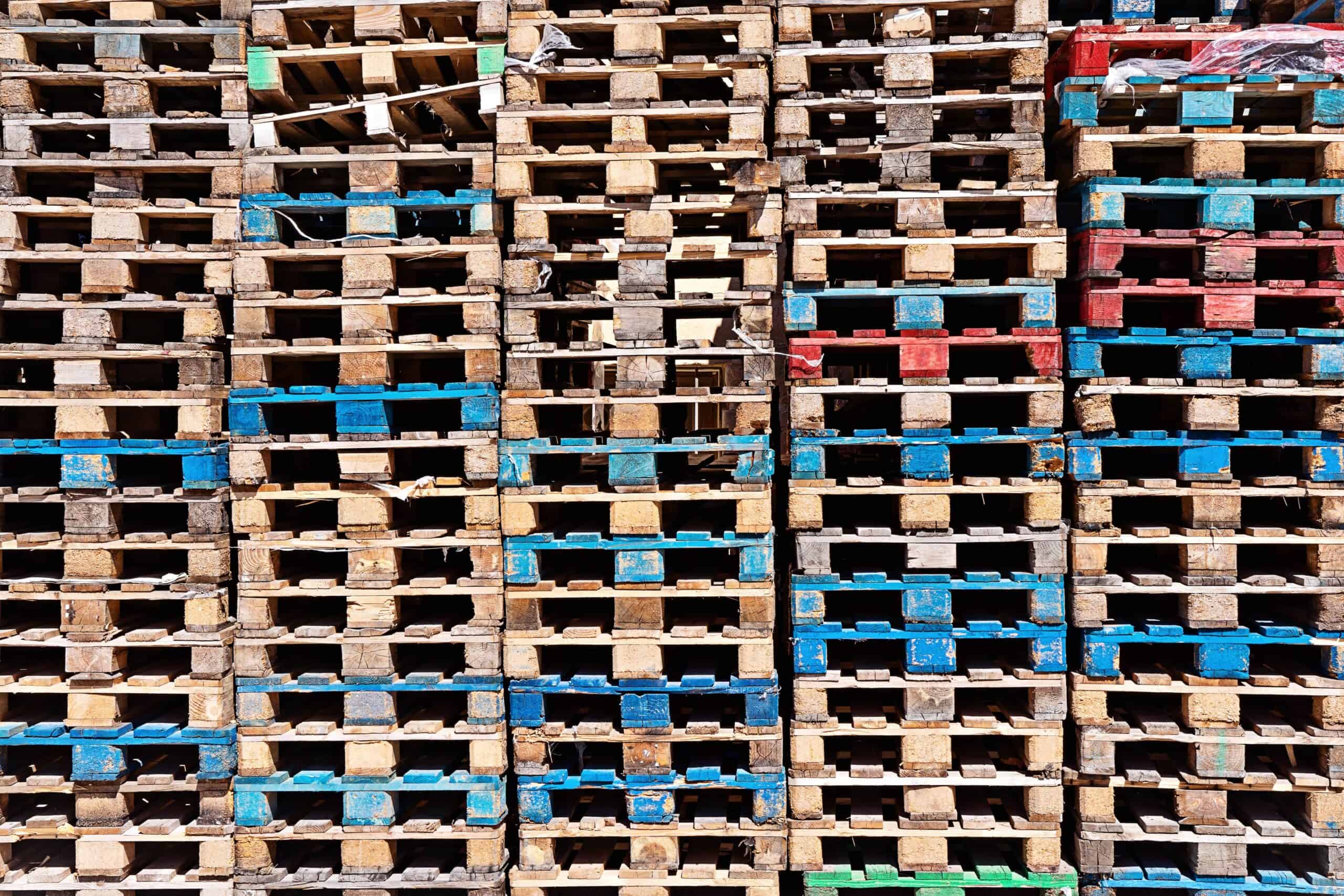
The pallet conversation used to be simple: wood was natural and recyclable, plastic was durable but harder to dispose of. Today, the sustainability landscape is more nuanced, and the right choice depends on how your company defines “responsible.”
Wood and the Sustainability Advantage
Wood pallets naturally support greener logistics because they are:
- Made from renewable material
- Repairable, which extends life cycle
- Recyclable at end-of-life
- Able to be chipped or repurposed instead of landfilled
When a wood pallet breaks, it is usually not the end of the story. A board gets replaced, the pallet returns to work, and the material completes its useful life.
Plastic and Sustainability Trade-Offs
Plastic pallets last a long time and can reduce waste in specific closed-loop systems. That said, challenges include:
- Plastic production relies on petroleum-based material
- Recycling options vary widely by region
- Not all facilities accept or process pallet plastics
- Cracked pallets are often discarded, not repaired
Plastic can be sustainable only when it stays in a tightly controlled loop and never becomes waste.
The Middle Ground: Engineered Wood Solutions
Modern supply chains want high performance and lower environmental impact, and this is where solutions like GreenBlock pallets stand out.
GreenBlock systems are designed to:
- Use less wood per pallet
- Maintain strong load performance
- Reduce weight to support fuel efficiency
- Extend usability and reduce waste
- Remain repairable and recyclable
It is a practical approach to sustainability: fewer raw materials, less fuel, long-lasting construction, and a clean end-of-life pathway.
If your goal is greener shipping without the cost and disposal complexity of plastic, engineered wood can be the better balance.
Where Engineered Wood Fits In
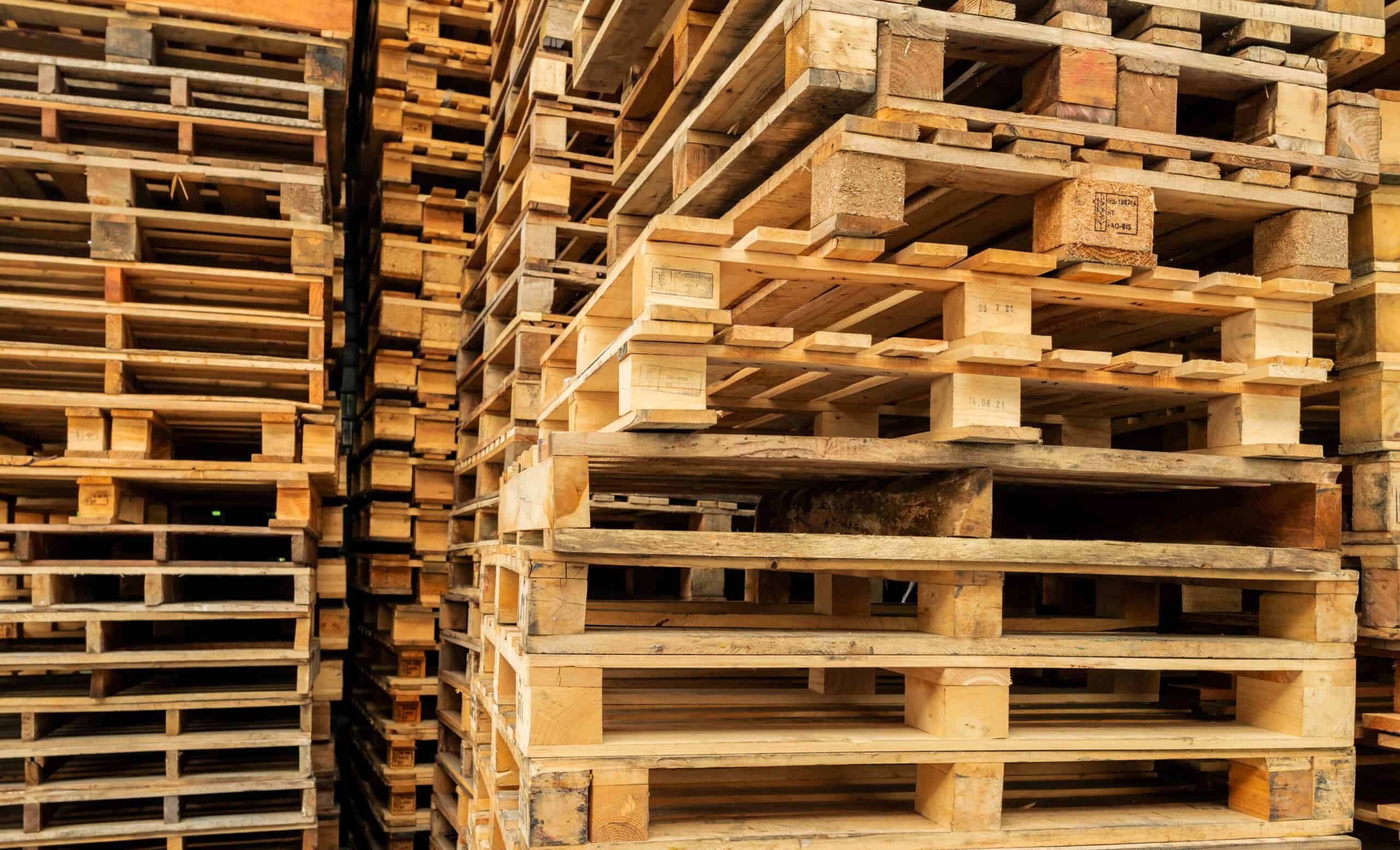
Some companies want the durability perks of plastic without the high upfront cost or recycling headaches. Others love the affordability and repairability of wood but want a lighter, more efficient pallet.
Engineered wood pallets bridge that gap.
Why Engineered Wood Pallets Work
Solutions like GreenBlock pallets from Pallets LLC give operations a smarter middle path by offering:
- Strong load performance
- Less wood used per pallet
- Lower weight for better fuel efficiency
- Easy repair and recycling
- Lower environmental footprint than traditional builds or plastic
You get durability and efficiency, without jumping to full plastic systems or taking on disposal challenges later.
Designed for Modern Shipping
GreenBlock pallets were built for real manufacturing and distribution environments. If your goal is to move product safely, cut waste, and support sustainability targets, engineered wood often checks every box without over-spending.
Good for your workflow. Good for the planet. Good for the budget team too.
Better Pallets Start With Better Priorities
So, are plastic pallets better than wood?
Not across the board. They are better in very specific environments. Wood pallets remain the practical choice for most supply chains because they are affordable, repairable, and easy to recycle.
And if you want modern performance with a lighter environmental footprint, engineered wood pallets offer a smart middle path. They reduce waste, support efficiency, and keep your operation moving without the cost and disposal challenges that come with plastic.
That is exactly why Pallets LLC created the GreenBlock pallet system. It saves wood, supports heavy loads, runs efficiently through busy facilities, and helps businesses move toward greener shipping without sacrificing budget or durability.
Build a smarter pallet program
Tell us about your operation, your load requirements, and your sustainability goals. Our team will help you select the right pallet solution and pricing for your needs.
>>Explore GreenBlock pallets<<
>>Request a quote<<
Strong supply chains start with strong platforms. Let’s move yours forward — responsibly and efficiently.